
Plumbing Standards & Codes
Apid development in the Indian construction industry required the plumbing sector to keep pace with modern plumbing technology. For this, existing Codes, Standards and practices required improvements from time to time to match international standards.
Setting the Standard for India's Future
Proper plumbing is the invisible guardian of public health. At COIPP, we’re at the forefront of developing, promoting, and implementing plumbing standards that ensure safety, sustainability, and efficiency across India.
Why Standards Matter
Standards are the invisible threads that connect quality, safety, and trust. They provide a common language, ensure consistency, foster innovation, and empower industries to grow sustainably while protecting the interests of all stakeholders.
Public Health Protection
Ensures clean and safe water systems by preventing contamination and reducing the spread of waterborne diseases, safeguarding community health.
Water Conservation
Encourages the use of efficient plumbing designs and technologies that minimize water wastage and support sustainable resource management.
Professional Excellence
Establishes clear benchmarks for high-quality workmanship, promoting consistency, skill development, and accountability among plumbing professionals.
Structural Safety
Prevents costly damage to buildings caused by leaks, faulty installations, or poor system design, enhancing long-term structural durability.
Regulatory Compliance
Provides a standardized framework for professionals and authorities, ensuring adherence to legal codes, inspections, and industry best practices.
Consumer Trust and Confidence
Assures end-users that systems are designed, installed, and maintained according to verified standards, increasing satisfaction and trust in services provided.
Key Publications & Codes
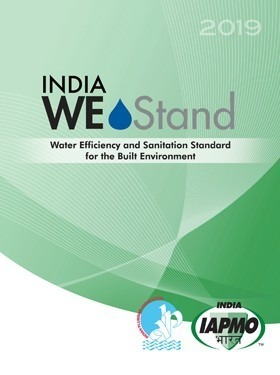
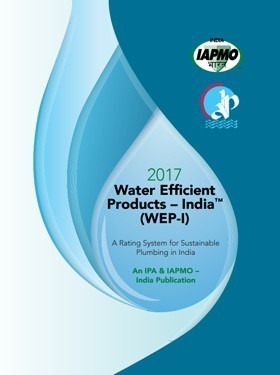
COIPP, in collaboration with IAPMO, has developed comprehensive codes adapted for Indian conditions:




Get Involved
Professional plumbers, engineers, and industry stakeholders can contribute to standards development through: